
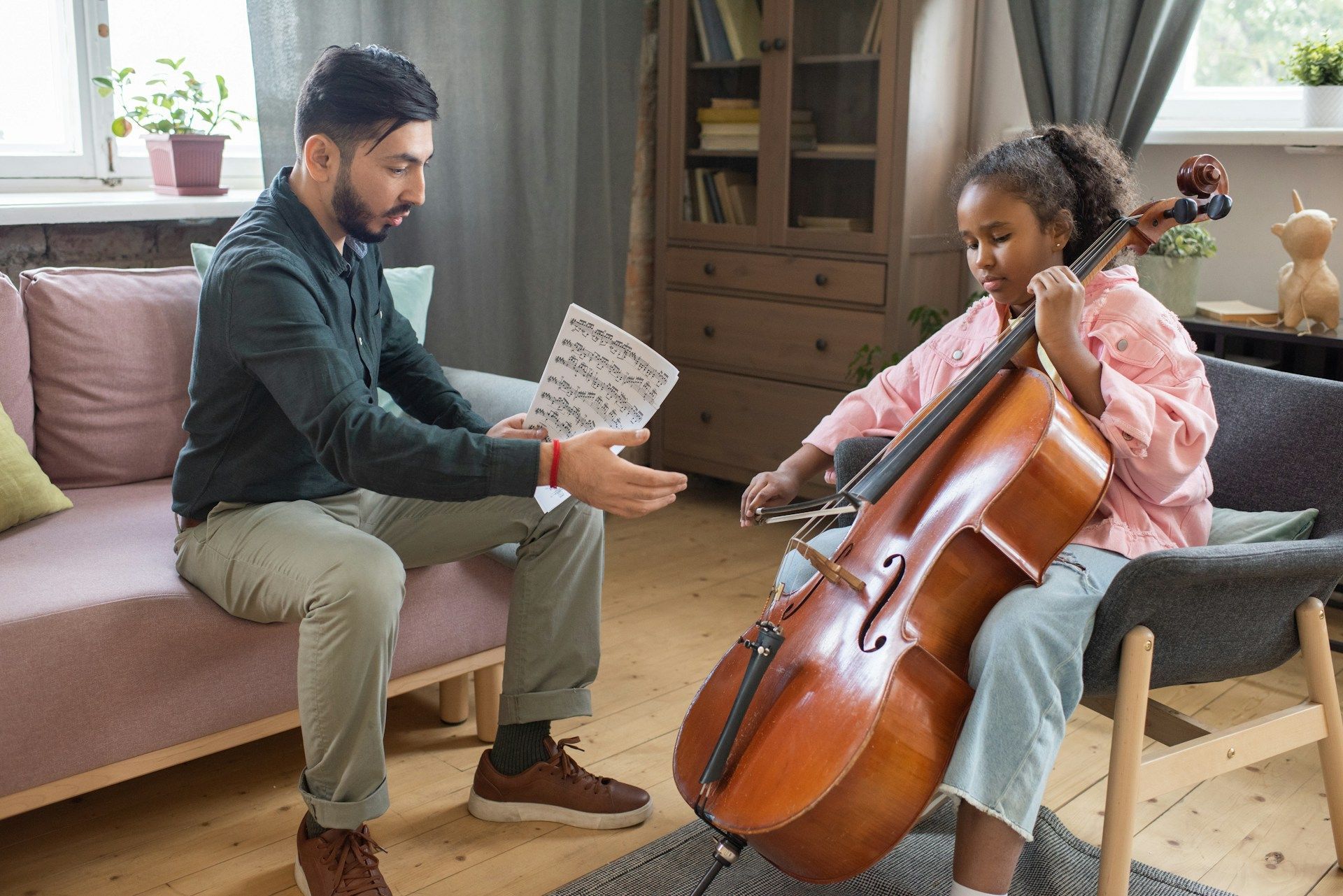
Measuring Confidence Gains in Frisco Cello Lessons for Kids
Watch Your Young Cellist’s Confidence Come Alive
Confidence on the cello does not just appear out of nowhere. It grows step by step as your child learns how to hold the instrument, play a clear note, and share a song with others. When a shy child starts lessons, they might barely want to touch the cello on the first day. A few months later, that same child can walk onto a small stage, play a short piece, and smile as everyone claps. That change is confidence you can actually see and hear.
At Music Institute of North Texas, kids cello lessons in Frisco are built around structured, university-level music training and a warm, encouraging studio culture. We focus on clear goals, gentle challenges, and lots of small wins. In this article, we will walk through specific confidence milestones, ways for parents and teachers to track growth, and how regular check-ins around natural times of year can keep kids motivated and excited to play.
Why Confidence Matters in Early Cello Study
When a child feels confident with an instrument, it often shows up in many parts of life. Learning the cello teaches them to:
- Break big tasks into small steps
- Keep going when something feels tricky
- Share their work in front of others
Those skills transfer to schoolwork, friendships, and even sports. A child who learns, “I can figure out this hard piece if I practice” starts to think, “I can figure out this hard math problem too.”
Confidence in music should never come from pressure or comparison. Young cellists do not need to be perfect, and they do not need to play like anyone else. Instead, they need:
- Goals that are reachable in a short time
- Clear guidance on what to do next
- Encouragement for effort, not just results
For elementary-aged children, early success on an instrument like the cello can change how they see themselves. They start to think of themselves as someone who tries new things, who can handle a mistake, and who keeps going until it sounds better.
First Milestones You Can See and Hear at Home
In the first one to three months of kids cello lessons in Frisco, you will start to notice some simple but powerful milestones. These early skills give children a sense of “I can do this.”
Common beginner milestones include:
- Sitting or standing with steady cello posture
- Holding the bow with a relaxed, curved hand
- Playing open-string rhythms with a steady beat
These may look small, but for a new player, they are big wins. Along with technique, you may notice “confidence markers” at home, such as:
- Your child choosing to practice without being reminded every time
- Proudly naming parts of the cello and explaining what they do
- Asking to show a new song to siblings, grandparents, or a friend
At Music Institute of North Texas, we like to turn these early steps into visible wins through fun, goal-based activities. Kids might work toward a sticker chart, a short practice challenge, or a “new song” badge in their music notebook. These simple tools help children see progress with their own eyes, which often makes them stand taller and smile more when they play.
From Shy Beginner to Stage-Ready Performer
Between six and twelve months of consistent lessons, the cello starts to feel more natural. Your child’s hands know where to go, and their ear starts to guide their fingers. Intermediate milestones often include:
- Playing short melodies with clear pitch instead of only open strings
- Coordinating both hands more smoothly
- Focusing during longer practice sessions without melting down
As these skills grow, you may also see social and emotional changes. A child who once hid behind you might now:
- Volunteer to play a piece for a friend who visits
- Raise a hand more often in school, because they are used to being heard
- Handle small mistakes with a quick pause instead of tears or frustration
Kids cello lessons in Frisco at our school also include performance-based milestones. We keep these low-pressure and age-friendly, such as:
- Studio recitals where kids play for an audience that is cheering for them
- Class showcases where students play in small groups
- Special “performance days” during regular lessons, with a few families watching
Each time a child walks up, plays, and survives those butterflies, their confidence jumps up a notch. The goal is not a flawless performance, but a brave one.
Structured Parent and Teacher Check-Ins That Matter
Without clear communication, it can be hard to tell how your child is really doing. “I think they are doing better” becomes more helpful when it turns into, “They stay calm through corrections, they ask more questions, and they are proud of their sound.”
A simple, recurring check-in rhythm that matches the school year can help, such as:
- Late spring or early summer: How did the school year go, and what are summer goals?
- Back-to-school: How can cello practice fit with new routines?
- Mid-fall: What confidence changes are we seeing since the start of the year?
- Spring: Are they ready for a new level of music or a different type of performance?
When you talk with your child’s cello teacher, you might ask:
- How does my child respond to new challenges in lessons?
- Do they stay calm when you correct something, or do they shut down?
- Are they starting to set any of their own practice goals?
- Where do you see the biggest confidence gains since the last check-in?
These questions turn a quick update into a clear picture of growth.
Practical Tools and Support for Ongoing Progress
Tracking confidence does not need to be complicated. Simple tools often work best for busy families. Some ideas include:
- A monthly “music wins” journal where you jot down one or two proud moments
- Short notes on the practice chart, like “played for Grandma today”
- A progress checklist from the teacher with boxes your child can mark off
Teachers at Music Institute of North Texas may also use age-appropriate goal sheets, color-coded pieces, or level-based repertoire. These make it easy for kids to see, “Last month I was here, now I am here.” That clear growth arc keeps them going, especially around natural times like the end of the school year or early summer when routines shift and there may be extra practice time.
Performance jitters are another part of the confidence story. Feeling nervous before a recital, school talent show, or audition is normal and healthy. At our school, we help kids handle those nerves by:
- Doing practice performances inside regular lessons
- Hosting pretend “mini-recitals” for just a few families
- Praising courage and effort instead of only praising perfection
At home, parents can support by using calm, positive language, such as:
- Before: “I am excited to hear your song” instead of “Do not mess up.”
- After: “What is one thing you felt good about?” instead of listing every small mistake.
When kids see that adults care more about their effort than about a flawless show, their confidence has room to grow.
As you watch your child over the next few weeks, notice the small signs: a straighter back, a clearer note, a more willing smile when someone asks them to play. These are real milestones, and each one means their confidence is taking root, note by note.
Help Your Child Discover Their Musical Voice With Cello
If your child is ready to explore a rich, expressive instrument, our
kids cello lessons in Frisco provide a supportive path to real progress and confidence. At Music Institute of North Texas, we tailor each lesson to your child’s age, level, and goals so they stay engaged and excited to learn. We offer flexible scheduling and a welcoming environment that makes it easy to start and stick with lessons. Have questions about placement or availability?
Contact us and we will help you choose the best option for your child.