How Private Cello Lessons Build Confident Young Musicians
Private cello lessons do more than teach a child how to hold a bow or play a scale. They give kids a place to grow, feel seen, and learn how to work with others. For many families, music becomes the way a child finally feels like they have found their people.
As a new school year comes into view, parents start thinking about school orchestras, new classes, and how their child will fit in. Kids' cello lessons in Frisco can help that transition feel smoother. When a child walks into orchestra already knowing how to play with others, they feel less nervous and more excited.
At Music Institute of North Texas, our cello lessons are built with this big picture in mind. We want kids to sound good on their own and feel ready for duets, small ensembles, and full orchestras. Private lessons give them the tools to collaborate, listen, and belong in group music settings, not just survive them.
Why One-on-One Cello Lessons Fuel Better Collaboration
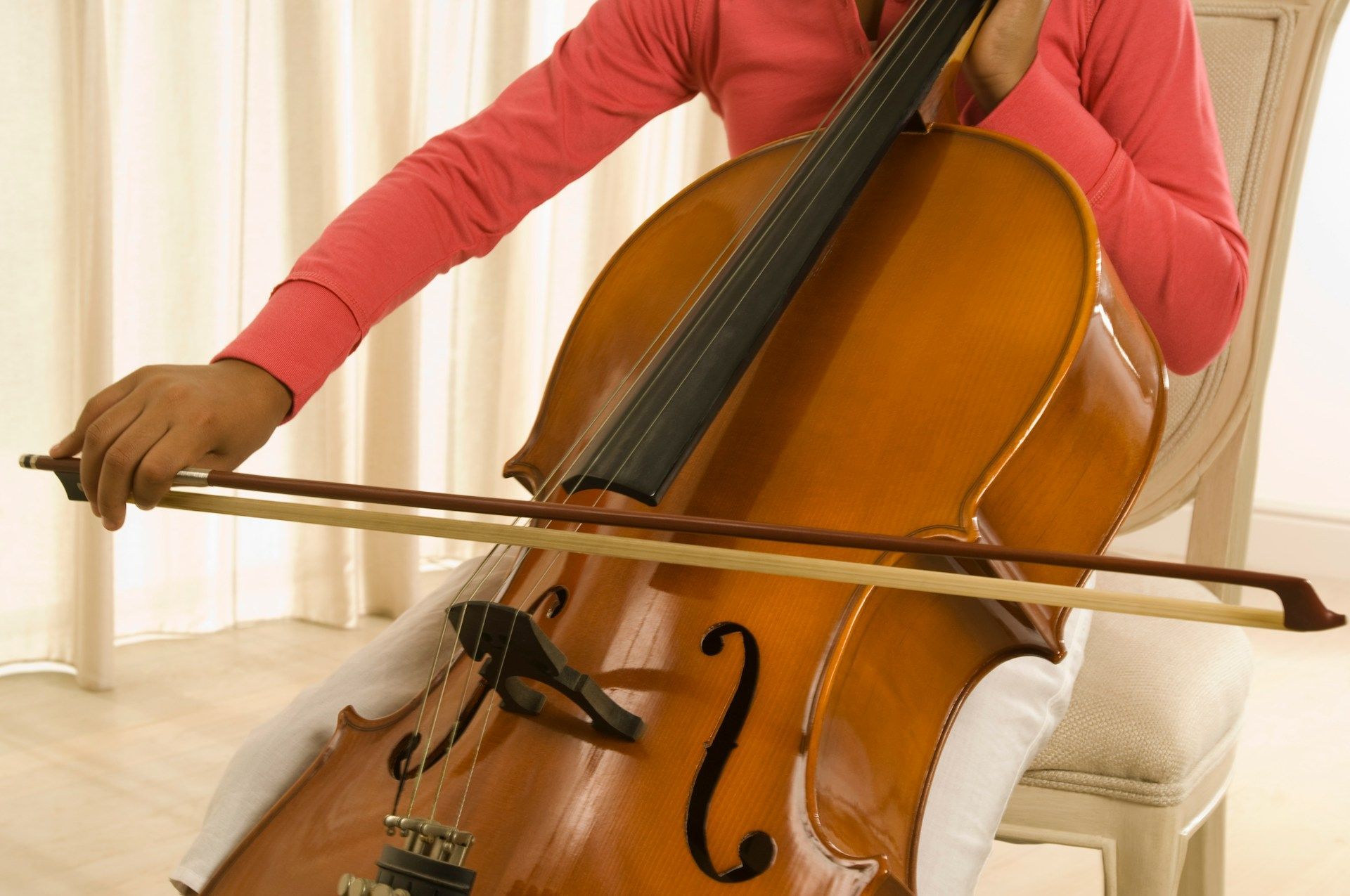
Collaboration in music starts with feeling secure on your own instrument. In private lessons, a teacher can focus on the details that make group playing easier later, such as:
- Posture and left-hand setup so fingers land where they should
- Bow hold and bow path for a steady, clear sound
- Intonation so notes match up with others
- Rhythm skills so the beat stays steady
When those basics are strong, kids do not have to worry so much about themselves. They have more mental space to listen to the players around them. This is where ensemble habits start to grow.
A trained cello teacher can also coach skills that are directly tied to group playing from day one, like:
- Keeping a steady pulse with or without a metronome
- Feeling the whole measure instead of just one note at a time
- Starting and stopping cleanly on a cue
- Holding long notes without rushing or dragging
Private lessons are also a safe space to practice social and emotional skills. Kids learn how to accept feedback without shutting down, how to breathe through nerves, and what to do when something goes wrong in the middle of a piece. Instead of freezing, they learn to keep going, listen, and catch back up.
Not every child is ready to jump into a group right away. Some kids are shy, anxious, or simply need extra time to build confidence. Kids' cello lessons in Frisco at Music Institute of North Texas are paced to each child, which helps them feel ready inside and out before they step into an ensemble.
Duets as a Safe First Step Into Musical Friendship
Duets are often a child’s first taste of real musical teamwork. In private lessons, the teacher can play one part while the student plays the other. The piece can be very simple, but the learning is deep.
Through duets, kids start to:
- Listen across parts and hear how their line fits with another
- Match tone and bow style so the sound blends
- Adjust volume so sometimes they lead, and sometimes they support
Duet playing also teaches practical collaboration skills. Students learn to give and read cues with eye contact or a small breath. They count rests carefully so they come back in at the right moment. When someone makes a mistake, they keep going together instead of stopping and starting over every time.
Emotionally, duets can be very powerful. Kids get to share small wins, like finally lining up a tricky rhythm or nailing a clean ending. They feel the difference between “I did it” and “we did it together,” which can be a big confidence boost.
As kids in Frisco head back to school, this duet experience matters. Students who are used to sharing the musical spotlight in lessons tend to walk into their school orchestras with less fear. They already know what it feels like to adjust, listen, and be part of a musical team.
From Lesson Room to Ensemble: Preparing for Group Playing
Good private lessons do not stop at solo skills. They quietly prepare students for real-world group playing long before the first orchestra rehearsal.
Teachers can build ensemble skills into one-on-one lessons by:
- Having kids follow a simple conducting pattern while they play
- Asking them to watch for cutoffs instead of staring only at their fingers
- Showing how to track more than one line in a score, even if they only play one
We also talk through basic “orchestra skills” so nothing feels new or scary:
- Tuning quickly and politely at the start of rehearsal
- Understanding seating and section roles
- Bringing a pencil and knowing how to mark bowings and reminders
- Waiting quietly while others work on their parts
Rhythm work is another key piece. When students learn how to count subdivided rhythms and play with a metronome, they feel more stable in a large group. That stability is a huge comfort in school orchestras, youth symphonies, and community ensembles.
Kids who start with structured private cello lessons often adapt faster in group settings. They already know how to listen across the section, follow directions, and take responsibility for their part. Instead of feeling lost, they can focus on enjoying the music and connecting with their peers.
Belonging, Resilience, and Character Through Cello Study
The lessons a child learns at the cello stand are not just musical. They are character lessons too. Cello practice teaches patience as kids repeat a tricky measure again and again. It teaches perseverance as they work toward concerts, auditions, or seating tests that may be weeks away.
Performing in recitals and group showcases helps build a sense of community beyond the school day. Kids see other students working toward similar goals. They cheer for each other, share nerves backstage, and celebrate afterward. That feeling of “these are my people” can mean a lot, especially during the school years.
Teachers also spend a lot of time helping kids handle mistakes in a healthy way. Instead of viewing an error as failure, we help them see it as information. What went wrong? How can we fix it next time? This mindset builds resilience that carries over into schoolwork, friendships, and other activities.
Our kids' programs are especially focused on supporting families who want positive peer groups and healthy after-school routines. Music becomes a steady, encouraging part of a child’s week, not just another item on the to-do list.
Getting Your Child Orchestra-Ready with Kids’ Cello Lessons
Private cello study can line up beautifully with school orchestra timelines. When families plan lessons through summer and into early fall, kids often walk into their first rehearsals feeling prepared instead of overwhelmed. They know how to hold the instrument, read the music, and follow basic group instructions.
Helpful next steps for parents might include:
- Scheduling a trial lesson to see how your child connects with the teacher
- Asking about duet and small ensemble opportunities as your child progresses
- Talking with the teacher about long-term goals like school orchestra, youth symphony, or chamber music
- Sharing your child’s school orchestra calendar so lesson plans can support it
Beginners are always welcome. Kids' cello lessons in Frisco at Music Institute of North Texas meet students wherever they are, whether they are brand new to the cello or coming from another program. With steady one-on-one support, kids can move from those first simple notes to confident group playing and, along the way, discover a musical community where they truly belong.
Help Your Child Grow Through Inspiring Cello Instruction
If you are ready to nurture your child’s musical potential, our dedicated instructors at Music Institute of North Texas are here to guide every step. Explore our kids' cello lessons in Frisco to find a lesson plan that fits your child’s age, goals, and schedule. We focus on building confidence, strong technique, and a lifelong love of music. Have questions about scheduling or tuition? Simply contact us and we will help you get started.