
Give Your Young Drummer the Best Possible Start
Starting drum lessons in Frisco, TX is exciting for kids, but it can leave parents with a lot of questions. What kind of drum kit do you really need? Where will it fit? How loud will it be? Making smart choices at the beginning can make lessons smoother and practice at home less stressful for the whole family.
With the right first kit, good room setup, and a few simple tools, kids learn faster, stay safer, and feel proud of what they are doing. As families in Frisco and Prosper settle into school routines, this is a great time to plan a setup that works for the entire year. Our teachers at Music Institute of North Texas help families think through all of this so young drummers start strong from the first lesson.
Acoustic vs. Electronic Drums for Beginners
When your child starts drum lessons in Frisco, TX, the first big choice is usually between an acoustic kit and an electronic kit. Both can be good; it depends on your home and your child.
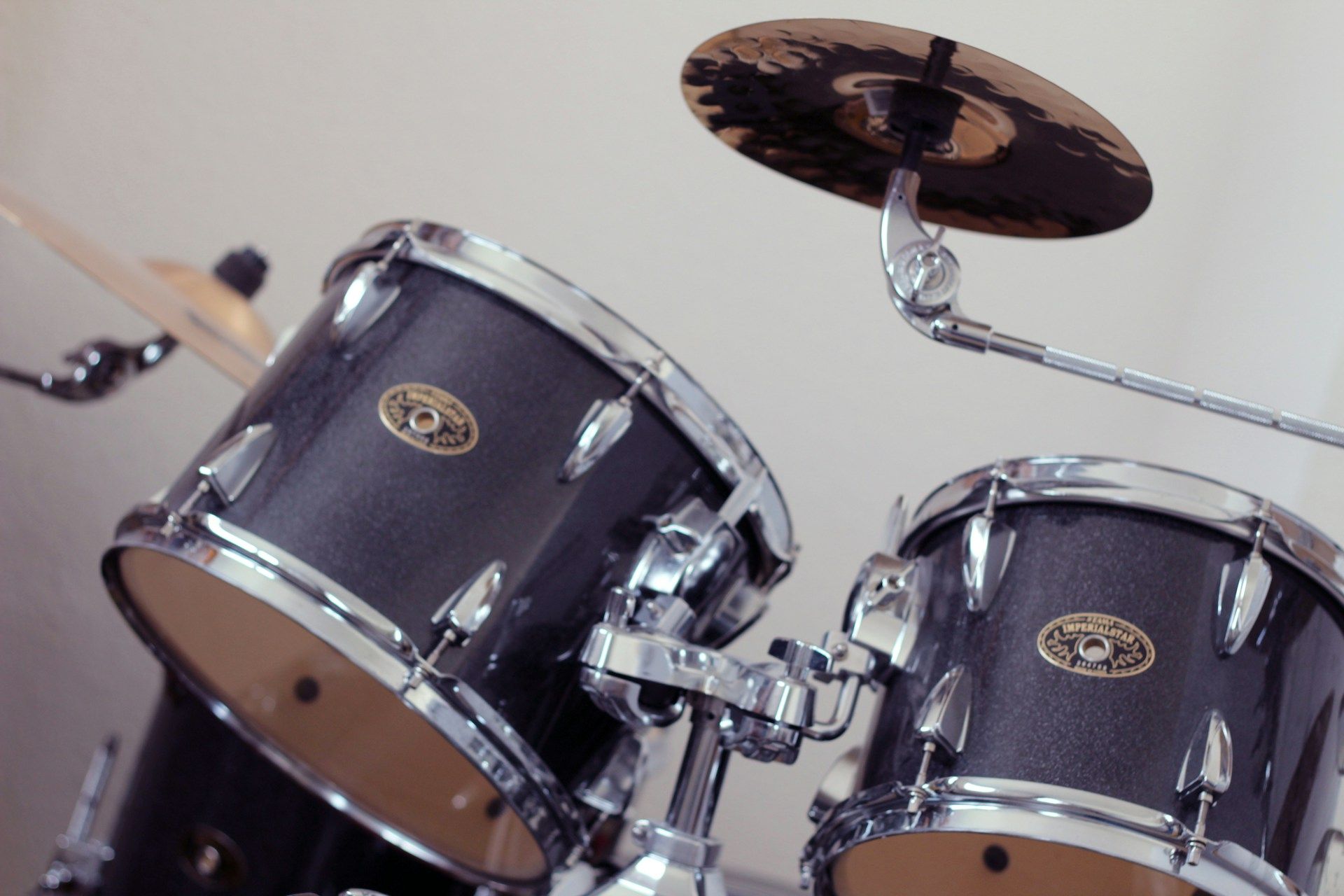
Acoustic drums are the traditional wood shells with metal cymbals. They are what kids see on stages and in school bands.
Pros of acoustic kits:
- Natural feel and bounce on the drum heads
- Wide range of sound and dynamics, from very soft to very loud
- Great for developing performance skills and musical expression
Electronic kits use rubber or mesh pads and connect to a sound module and headphones.
Pros of electronic kits:
- Much quieter, especially with headphones, which helps in close neighborhoods, apartments, or homes with napping siblings
- Easy volume control so practice can happen early or later in the evening
- Built-in sounds and play-along tracks can keep kids motivated
Many parents in our area start with an electronic kit because of noise and space. Later, as kids grow and get more serious, families sometimes add or switch to an acoustic kit. Our drum teachers help students feel comfortable on both types so they can move between electronic kits at home and acoustic kits at school, church, or performances.
Smart Space Planning for a Kid-Friendly Drum Setup
Before buying a drum kit, it helps to decide where it will live. You do not need a huge room, but you do need a safe, steady space where your child can focus.
Common spots in Frisco and Prosper homes include:
- Bedroom: easy access, but make sure there is space to move around the kit
- Playroom or loft: good for younger kids, but watch out for toys and clutter
- Bonus room or dedicated corner: helps keep gear organized and out of walkways
For a basic setup, try to allow space for:
- The kit itself
- A drum throne (sturdy seat at the right height)
- A music stand
- A small area for a practice pad next to the kit
To keep things safe and tidy, parents often add:
- A drum mat or rug to protect floors and keep the kit from sliding
- Simple cable ties for electronic kits so kids do not trip on cords
- A small bin or bag for sticks, music books, and headphones
- Placement away from windows, air vents, and doors, so nothing gets bumped or blown over
A clean, inviting corner makes practice feel like a fun part of the home, not an afterthought squeezed into a tight space.
Noise Control Strategies Every Parent Will Appreciate
Drums are naturally louder than many instruments, so planning for sound is smart. Even electronic kits make some tapping noise in the room. Being realistic about this helps avoid surprises and complaints.
For acoustic kits, you can lower sound levels with:
- Drum mutes or pads that sit on top of the drums
- Mesh heads that respond like real heads but are much quieter
- Low-volume cymbals with small holes that reduce overall sound
- Thick rugs or carpets to absorb sound and reduce vibration
For both acoustic and electronic setups, you can also:
- Add soft items like curtains, rugs, or foam panels to cut down echoes
- Use a draft stopper or towel at the bottom of doors to reduce sound leaving the room
- Close nearby doors and windows during practice
House rules help too. Many families agree on:
- Regular practice times that work for everyone in the home
- Short, focused sessions, for example 10 to 20 minutes, instead of long, noisy blocks
- Quiet hours when drums are off, especially in shared-wall townhomes or apartments
Good noise control does more than keep peace with neighbors. It helps kids hear backing tracks, clicks, and teacher feedback more clearly when they practice between lessons.
Must-Have Beginner Tools for Faster Progress
The drum kit is only part of the setup. A few simple tools make a big difference in comfort, safety, and progress.
Helpful beginner tools include:
- Properly sized sticks that fit your child’s hands, not giant sticks that cause strain
- A stable drum throne that adjusts to the right height and encourages good posture
- A solid music stand so kids can see their music or lesson notes at eye level
- A metronome or metronome app to build steady timing
- A practice pad for quiet work on hand technique and warm-ups
For electronic kits, headphones are especially helpful. They protect young ears from constant loud sound and let kids practice more often without shaking the whole house.
We usually recommend that younger kids focus on short, daily practice rather than long, rare sessions. The right tools make those short practice times feel more like fun, focused play instead of a chore. A good seat, clear music stand, and easy-to-reach sticks encourage kids to sit down and start without needing a lot of setup help from parents.
How Music Institute of North Texas Helps Families Choose
At Music Institute of North Texas, our drum teachers guide families through each step of setting up for drum lessons in Frisco, TX. Before making gear suggestions, we look at your child’s age, size, and goals, plus details about your home space and noise concerns. That way, you are not guessing or buying equipment that does not fit your situation.
Our lessons are structured with clear goals so parents can see steady progress over time. When kids are practicing on a kit that fits their bodies and their space, every lesson and every minute of practice counts more. While our main focus is helping kids grow in music, we also offer options for teens and adults without taking the spotlight away from our children’s drum programs.
As school routines settle and schedules become more predictable, it is a natural time to match a new kit with a regular lesson time, school band plans, or future performances. Planning early helps families avoid last-minute stress and gives young drummers a confident, comfortable start that can grow into years of creative, joyful playing.
Start Your Drum Journey With Confidence Today
If you are ready to build real skills on the kit, our experienced instructors at Music Institute of North Texas are here to guide you every step of the way. Explore our tailored
drum lessons in Frisco, TX to find a lesson plan that fits your goals, schedule, and experience level. We will help you develop solid technique, musicality, and confidence whether you are a beginner or refining advanced chops. Have questions about scheduling or tuition options, or want help getting registered, just
contact us and we will walk you through the next steps.