Give Your Child a Confident Start in Music
Choosing youth music classes in Frisco for the first time can feel like a lot. There are so many instruments, ages, and class types that it is easy to second-guess every choice. The good news is that getting started does not have to be perfect to be helpful. What matters most is a safe, fun place where your child can explore sound and start to feel proud of what they can do.
Music at a young age helps kids grow in ways that show up far beyond the lesson room. They learn to listen, take turns, stay focused for a few minutes at a time, and express big feelings in a healthy way. With a structured, step-by-step program and caring teachers, children who are just curious about music can slowly grow into confident players and singers. In this guide, we will walk through what to look for in youth music classes in Frisco, how classes usually work, and how to choose a first class that fits your child and your family schedule.
Why Early Music Education Matters for Growing Minds
Young brains love patterns, and music is full of them. When kids clap rhythms, match pitches, or remember the notes in a short melody, they build skills that connect to language, reading, and memory. Simple activities like echoing a rhythm or singing a call-and-response song help kids:
- Practice careful listening
- Strengthen short-term and long-term memory
- Grow vocabulary and clear speech
- Learn to name and express emotions
Because lessons happen week after week, children also pick up healthy habits without feeling pressured. They learn that small steps lead to bigger skills, that tricky pieces can be broken into easier parts, and that it is okay to make mistakes while learning. A good youth music class keeps this process positive and playful, not strict or harsh.
A thoughtful program also respects where kids are developmentally. Preschoolers need movement, stories, and short activities. Early elementary students are ready for simple note reading and more focus. Preteens can handle longer practice, deeper musical ideas, and more responsibility. When lessons match a child’s stage, they feel capable, not pushed into “mini adult” expectations.
Over time, structured music study can support school success too. Reading rhythms lines up with reading words. Counting beats supports number sense used in math. Learning to prepare for a recital can help with test-taking skills like staying calm and following steps in order.
Types of Youth Music Classes in Frisco Explained
When families start searching for youth music classes in Frisco, they usually see a few main options. Each type has its own strengths, and many kids move through more than one as they grow.
Common class types include:
- Early childhood music and rhythm classes
- Beginner piano or keyboard
- Voice lessons and singing classes
- Guitar and ukulele
- Violin and other string instruments
- Group ensembles or bands
Private lessons are one-on-one with a teacher. They work well for kids who need focused attention, are ready to move at their own pace, or have a clear interest in one instrument. Group classes bring small groups of similar ages together. These build social skills, teamwork, and confidence performing in front of others. Many children enjoy learning with friends and hearing that others are working through the same challenges.
At the Music Institute of North Texas, we blend both private and group experiences, along with camps. A child might start in a fun group piano class, then add private lessons later for deeper work. Seasonal programs, such as fall or winter break camps, give kids a chance to try new styles and keep music exciting during school breaks.
Families do not have to pick the “perfect” path from day one. It is very normal to begin with one format and shift as a child’s interest and maturity grow.
Choosing the Right Age and Instrument for Your Child
Many parents want to know if their child is “ready” and which instrument to pick first. Some general age guidelines can help.
- Preschoolers: playful music and movement, rhythm instruments, simple singing games
- Early elementary: piano or keyboard, beginner voice, early strings or guitar with the right size instrument
- Older kids and teens: more focused study on piano, voice, guitar, violin, and other instruments
Matching instrument to personality can also make a big difference:
- Piano is a great overall foundation and helps with understanding music visually
- Voice suits expressive kids who love to sing along to songs all day
- Guitar can appeal to children who enjoy popular music and want to play chords and sing
- Violin often fits kids who are good listeners and like detailed work
Parents often worry, “What if my child loses interest?” or “What if we pick the wrong instrument?” In a flexible program, these are not major problems. Early skills like rhythm, listening, and basic note reading transfer easily from one instrument to another. A thoughtful teacher will guide any changes so your child does not feel like they are starting over.
At the Music Institute of North Texas, our teachers help families make these choices with care. We look at age, attention span, learning style, and what excites your child, and we can suggest trial options before settling into a long-term instrument.
What to Expect From the First Music Lessons
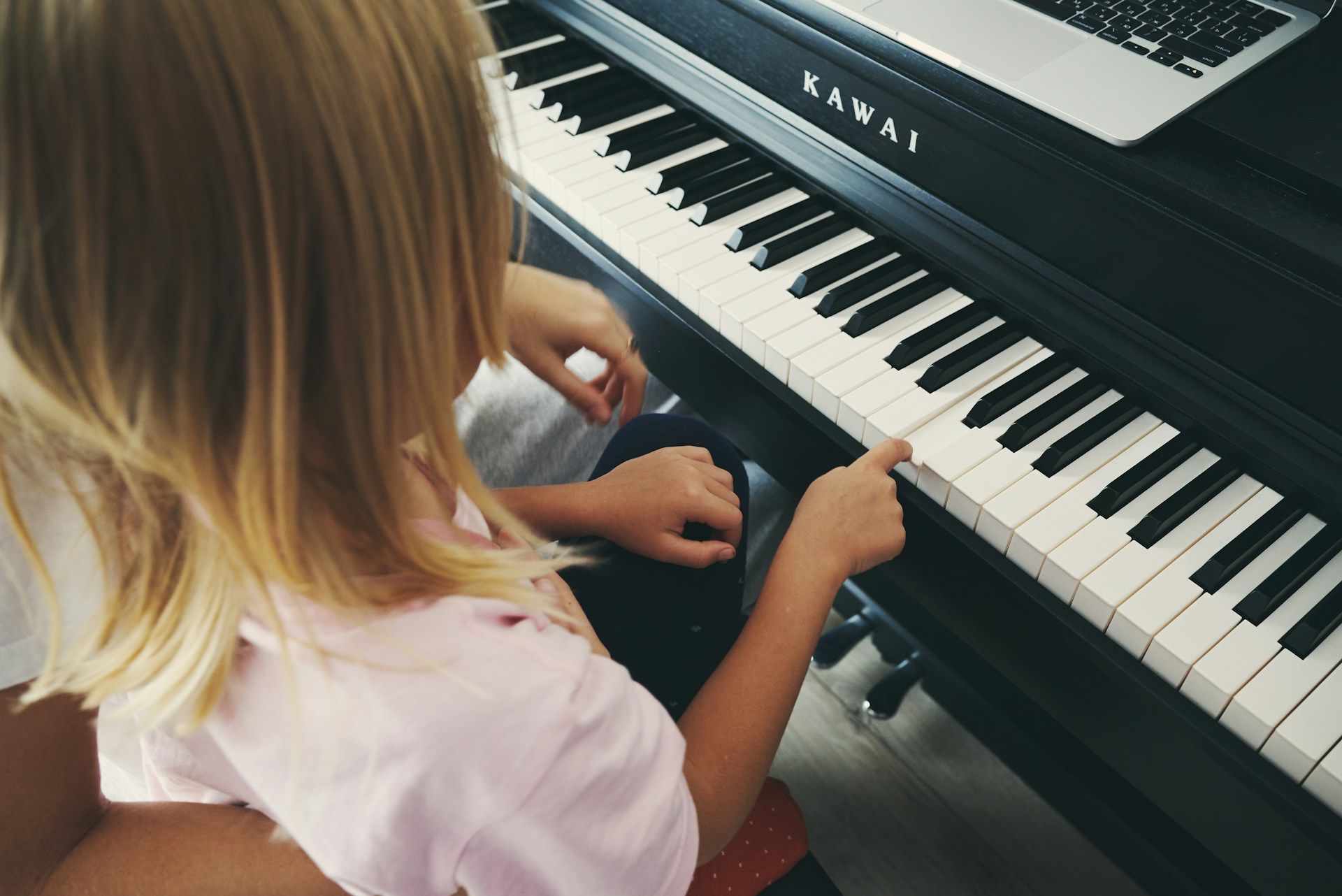
The first few lessons are all about getting comfortable. Your child will meet the teacher, get used to the room, and learn simple routines like how to sit, hold the instrument, or warm up the voice. We focus on easy wins in those early weeks so your child can say, “I can do this.”
You can expect:
- Clear, simple goals for each lesson
- Short activities that match your child’s age
- A mix of games, songs, and technique
- Friendly feedback that keeps kids encouraged
Practice at home starts small. For young beginners, a few focused minutes a day is enough. Older kids might work up to longer practice as their pieces get more complex. The key is consistency and a calm, predictable routine. We show parents what practice should look like and how to keep it low-stress.
Our university-trained teachers use a structured curriculum, along with fun tools like music games and age-appropriate technology. Children can see their progress through clear milestones, such as finishing a first song, reading their first notes, or playing in a class performance. Parents stay involved through regular updates, suggestions for home support, and chances to see their child play in relaxed settings.
Supporting Progress Through the School Year and Beyond
The start of the school year is a natural time to begin youth music classes in Frisco. Families are setting new routines, and it is easier to build practice into the weekly rhythm before calendars get too full.
To support your child all year, it helps to:
- Set up a quiet, friendly practice spot at home
- Keep practice goals small and regular instead of long and random
- Notice and celebrate small steps, like finishing a piece or playing for a grandparent
At the Music Institute of North Texas, we keep kids motivated with recitals, seasonal music, and clear, reachable goals so they stay engaged even after busy holidays. As students grow, they can move into more advanced classes, join ensembles, or add a second instrument to keep things fresh and challenging.
While our main focus is on kids, we also welcome teens and adults who want to learn or return to music. When parents take lessons too, they show their children that learning is a lifelong habit and that it is okay to be a beginner at any age. We offer ways for siblings and parents to arrange lessons around the same time, which helps make music a shared part of family life.
Help Your Child Build Confidence Through Music
If you are ready to nurture your child’s creativity and skills, our
youth music classes in Frisco are designed to support every stage of their musical journey. At Music Institute of North Texas, we create a positive, structured environment where students can grow at their own pace. Reach out today to discuss the best class options for your child or
contact us to schedule a visit and get started.