
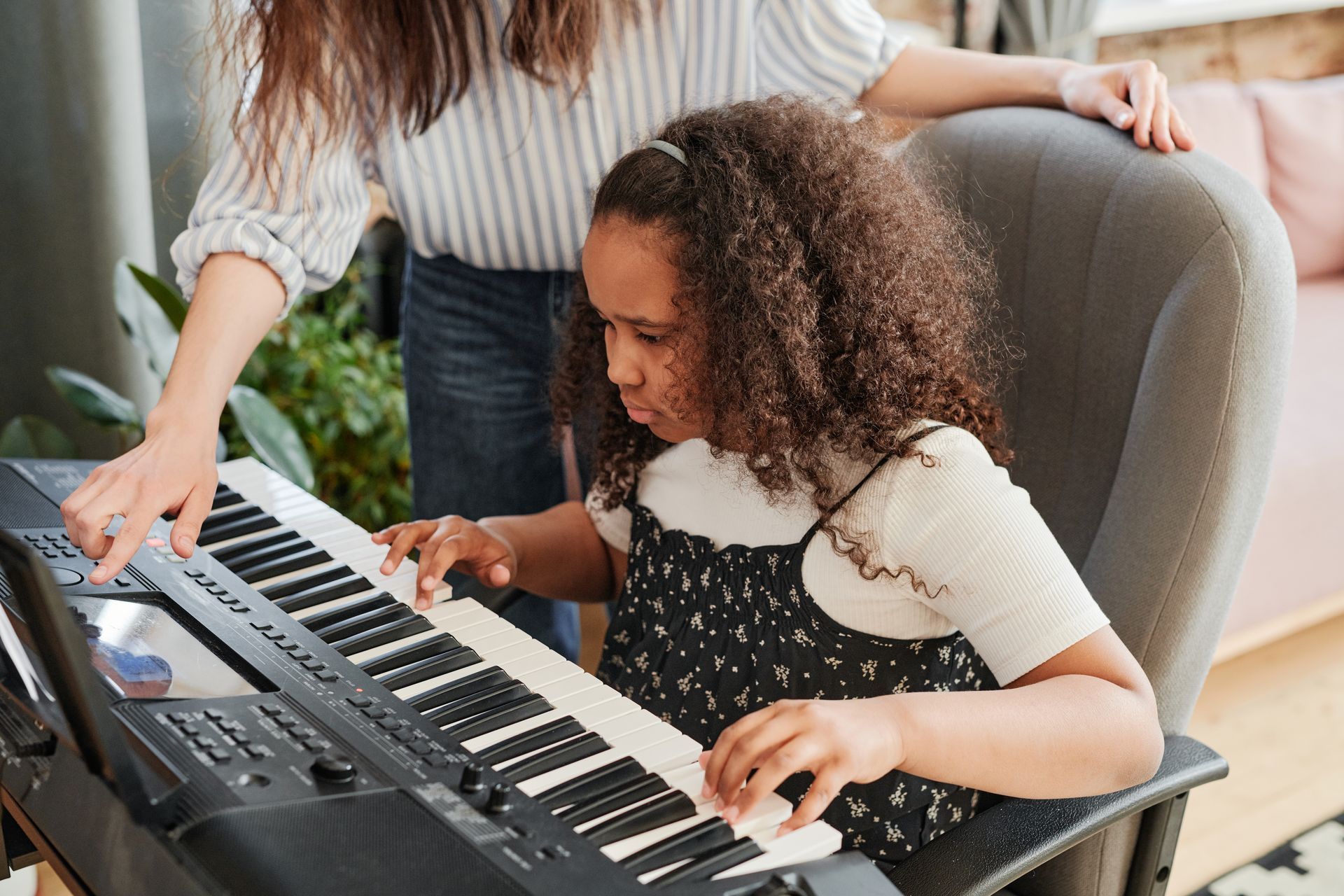
Can Kids Piano Lessons in Prosper TX Help with Homework Focus
Piano lessons can give children a steady place to practice attention, patience, and follow-through. While music lessons are not a guaranteed answer for attention challenges, they can become one helpful part of a child’s broader learning routine.
At Music Institute of North Texas, we see that learning piano asks students to slow down, listen, try again, and finish small tasks. Those same habits can make homework time feel more manageable when they are supported by good sleep, movement, reading, and a calm place to work.
How Piano Practice Can Support Homework Focus
Piano practice is structured in a way that feels clear to many children. A student listens to a teacher, follows directions, works through a short challenge, and hears improvement over time. Instead of being expected to master a whole song at once, children learn that progress often comes one measure, one hand position, or one rhythm at a time.
That process can connect naturally to schoolwork. Reading a worksheet carefully, completing a few math problems, or revising a paragraph also takes patience and attention to detail. When a child learns that mistakes at the piano are normal and fixable, they may be less likely to give up when an assignment feels hard.
During kids piano lessons in Prosper, TX, we encourage students to notice what they are doing rather than rushing ahead. They may need to listen for a wrong note, remember what comes next, or repeat a tricky section with a calmer approach. These are useful habits for many kinds of homework.
Routines That Build Stronger Attention Skills
A predictable routine can be more helpful than a long, stressful practice session. Weekly lessons give children a regular commitment, while short practice times at home help them become familiar with sitting down, starting a task, and staying with it for a few focused minutes.
Our teachers can break a larger musical goal into smaller pieces that feel achievable. A child may begin by practicing one hand at a time, clapping a rhythm, or playing just a few measures slowly before putting the whole section together. This teaches a valuable lesson: big tasks often become less overwhelming when they are divided into small steps.
Parents can support that routine with a few simple habits:
- Set a consistent practice time that fits your family’s schedule.
- Reduce distractions by turning off screens and clearing the music area.
- Praise effort, listening, and persistence, not just perfect playing.
- Keep practice short enough that children can finish feeling successful.
For example, a child might have a snack after school, practice piano for 10 to 15 focused minutes, and then begin homework. Moving through each activity one at a time can help children see that they do not have to do everything at once.
Piano Skills That Carry Over to Homework Time
The skills used at the piano are practical, even when children are simply learning a favorite song. Music reading asks students to track symbols from left to right, spot patterns, and pay close attention to small details. Those habits may be useful when reading directions, working through a book report, or checking answers before turning in an assignment.
Keeping a steady beat also calls for self-monitoring. Students learn to pause, count, and notice when they are speeding up or losing their place. Rather than rushing through work, they can practice the idea of slowing down enough to stay engaged.
Piano study often uses working memory, too. Children remember note patterns, hand movements, rhythms, and the next part of a song while playing the current part. That kind of mental practice may help when they need to follow multi-step directions, solve a math problem, or organize thoughts for writing.
Some helpful carryover habits include:
- Reading carefully before beginning
- Looking for patterns and repeated steps
- Checking work instead of guessing
- Trying a new approach after a mistake
Kids piano lessons in Prosper, TX can also give children a low-pressure way to learn perseverance. A difficult measure does not mean they are bad at piano. It simply means the skill needs more time, a slower tempo, or a different practice strategy. Homework can feel less discouraging when children understand that learning takes repetition.
Teacher Guidance and Achievable Goals
Children benefit from guidance that matches their age, experience, personality, and goals. With structured teaching, we help students work toward clear musical milestones without expecting instant results. A beginner may focus on posture and simple rhythms, while a more experienced student may work on musical expression, stronger reading skills, or a challenging new piece.
Positive feedback matters here. When a child recognizes that they improved their hand position, kept a steadier beat, or completed a song that once felt difficult, they learn to notice growth. That can build confidence in music and in other learning situations.
For students who have a harder time staying focused, our teachers can keep lessons engaging with age-appropriate music, listening activities, movement, games, and manageable challenges. We offer piano lessons for children in a supportive setting for Prosper families, as well as families from Frisco, allowing students to grow at their own pace.
Ways Parents Can Reinforce Focus at Home
Piano practice and homework do not need to compete with each other. A simple after-school plan can help children know what is coming next and reduce the stress of deciding what to do first.
Try creating a routine that includes a snack, homework time, a brief practice session, and downtime. Some children prefer piano before homework, while others settle in better after completing one school task first. The best routine is usually the one your child can repeat consistently.
Timers can be useful for both activities. A focused work period followed by a short break may feel more doable than telling a child to practice or study “until it is finished.” Before they begin, ask them to name one clear goal, such as finishing two math problems, practicing eight measures, or reading one page with care.
Most importantly, celebrate completed routines and steady effort. Comparing children with siblings, classmates, or other music students can make learning feel like a contest. Noticing their own progress helps them build confidence that lasts.
Building Productive Learning Habits
Piano lessons can be a meaningful part of a child’s learning life because they offer regular chances to listen, focus, solve problems, and keep going. At Music Institute of North Texas, we help young piano students work toward goals that fit their current skills and musical interests.
The biggest benefit often comes from consistency, patient support, and realistic expectations. Over time, children can gain more than songs to play. They can build a familiar routine for practicing attention, responsibility, and confidence when a task takes time.
Give Your Child a Focused Start
At Music Institute of North Texas, our teachers create encouraging lessons that meet children where they are and help them enjoy steady musical progress. Learn more about
kids piano lessons in Prosper, TX and find a lesson approach that fits your child’s goals. When you are ready to discuss scheduling or ask questions,
contact us.